
Best Bariatric (Weight Loss Surgery) in Delhi NCR
Those obesity patients who are unable to lose the desired weight with lifestyle change and diet, those need bariatric surgery or weight loss surgeries. These surgeries aim at reducing about 60 to 80 percent of the excess body weight. Dr Sumeet Shah is the best bariatric surgeon in Delhi for all weight loss and diabetes related surgeries.
Obesity is the excessive deposition of fat in the body. When the BMI or body mass index of a person exceeds 25 then that person is called as obese. Obesity comes with many serious health issues such as diabetes, cardiovascular disease, joint pains and problems in completing the activities of daily living.
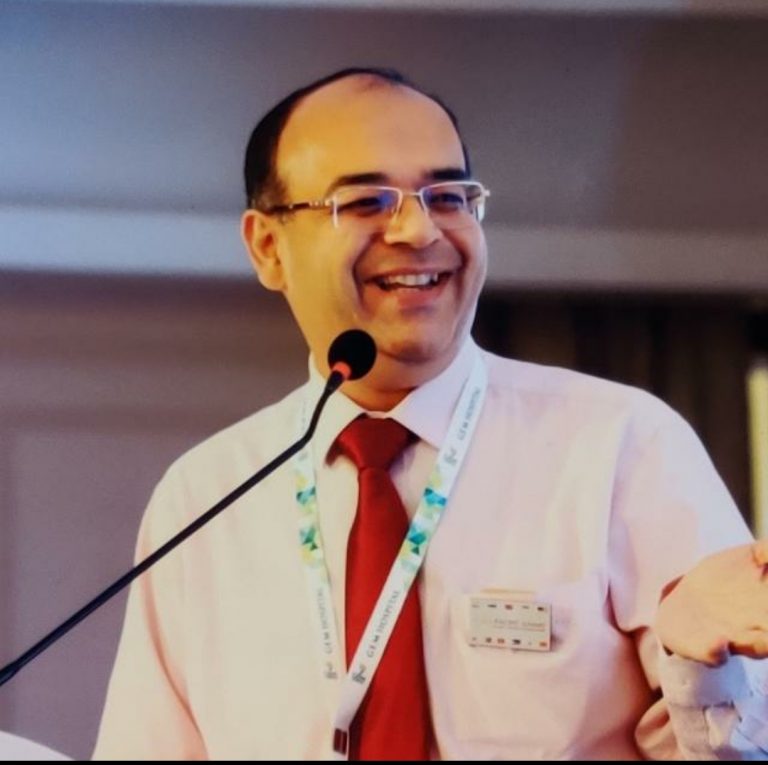
Laparoscopy Surgeries may seem simple, but need a lot of Experience and Dexterity
Dr Sumeet Shah has extensively trained and accomplished Laparoscopic & Bariatric Surgeon, he has been attached to some of the leading hospitals of Delhi. Dr Shah has been practicing Surgery for more than 20 years and has several thousand successful operations and satisfied patients to his credit.
Dr Shah has several presentations to his credit and has been invited as Faculty/ Expert at more than 100 National/ International meetings of Laparoscopic and Bariatric Surgeons.He has presented more than 50 invited papers at various specialist meetings.
He is passionate to build trust and to provide highest standards of medical excellence, scientific knowledge and patient care.
Graduation (M.B.B.S) – Maulana Azad Medical College, New Delhi – 1993
Post graduate (M.S) in General Surgery – 1997
Diplomat of National Board (DNB) in General Surgery – National Board of Examination, Delhi.
Advanced training in Gastro-Intestinal Surgery – AIIMS, New Delhi
Post Doctoral Fellowship in Minimal Access Surgery and has received special training in Metabolic & Bariatric Surgery.
Fellowship – Indian Association of Gastro Intestinal Endosurgeons (FIAGES)
Advanced Laparoscopy Fellowship (FALS) in Metabolic / Bariatric and Hernia Surgery
About the Weight Loss (Bariatric Surgery) Procedures
Some of the most commonly performed surgeries for weight loss and with great results are –
Gastric Bypass Surgery or RYGB or Roux-en-Y Gastric Bypass – this weight loss surgery is also known as Roux-en-Y gastric bypass. As the name suggests, the stomach is bypassed in this surgery by creating a small pouch out of it. This small pouch of the stomach known as the gastric pouch is created and then it is connected to the last part of your small intestine. All this procedure is performed by (minimally invasive surgery) laparoscopy by making small incisions on the abdominal area.
The small gastric pouch makes the patient feel full after the consumption of a small meal. The attachment to the last part of the intestine leads to the production of such hormones that the body’s energy consumption increases and the body starts losing weight at a faster pace. This gastric bypass surgery also leads to treatment or control of diabetes. Patients keep on losing weight within a period of 18 months and then it needs to be maintained.
Sleeve Gastrectomy – In this weight loss surgery, a vertical sleeve is created out of the stomach and the rest of the stomach is sealed away. The vertical incision removes 70 to 80 percent of the stomach area leading to early fullness and speedy weight loss. The advantage of this surgery is that the intestines remain untouched and the digestive process remains the same. The fundus part of the stomach is removed in this surgery, this is responsible for the production of the hunger hormone ghrelin. When the fundus is removed, the patient will feel less hungry and will feel full soon. Also due to the sleeve gastrectomy, the food moves faster to the intestine as compared to before.
Intragastric Balloon – It is the best surgery for those who are looking for a weight loss of about 10 to 15 kgs (for those having the BMI of more than 25) or for those who are looking for a bariatric surgery that is reversible. In this type of weight loss surgery, an intragastric inflated balloon is placed inside the stomach. This gives a feeling of fullness after a small serving of the meal. The patient tends to eat less often and in less quantity, this leads to weight loss. This intragastric balloon surgery can be performed in those patients who are not suitable for bariatric surgery or are waiting to fulfill the criteria for it. This is a non-invasive procedure as the balloon is placed via endoscopy. It is placed for about 6 months to 1 year of time after which it is deflated and removed via endoscopy. The balloon is filled with a blue color liquid and if it punctures accidentally, then your urine will turn blue, it must be notified immediately. The weight loss with this surgery is variable as it depends largely upon patient’s lifestyle modification. You must not plan to get pregnant while the balloon is in place.
Mini Gastric Bypass – It is a combination of sleeve gastrectomy and gastric bypass. In this mini gastric bypass surgery, the gastric sleeve is created and it is attached to the last part of the small intestine. This surgery has comparable benefits to gastric bypass surgery. The patient can consume a better quantity of food in this type of surgery. However, the frequency of passing stool may increase as well. Patients lose almost 70 to 80 percent of their excess body weight with this type of surgery.
Diabetes Surgery – Metabolic surgeries such as ileal interposition and duodenojejunal bypass are specialized for diabetes patients. These surgeries result in better diabetes control in the patients along with improvement in quality of life.
In the Ileal interposition surgery, a sleeve is created out of the stomach to reduce food intake. Also, the final part of the small intestine is taken forward and is attached (interposition) to the final part of the small intestine. This leads to better hormonal flow by increasing the insulin sensitivity thereby creating a better diabetes control. The diabetic patient’s requirement to take the medicine reduces to about 80 percent. This is a revolutionary surgery in treating the related comorbidities such as hypertension as well. Those patients who are not obese can opt for this surgery too.
In the Duodenojejunal Bypass surgery for diabetes, a sleeve gastrectomy is also performed like in ileal interposition surgery. After creating a sleeve out of the stomach, the first part of the small intestine (duodenum) is attached to the middle part of it, that is jejunum. This whole procedure results in better insulin sensitivity and treatment/control over diabetes.
FAQs about Weight Loss (Bariatric Surgery) Procedure
A few small incisions are made in the abdomen and the probes are passed through them. These probes have a small camera attached to them. This allows the surgeon to operate the probes with the guided screen. These incisions are not stitched or stapled, they are stick together with surgical glue. You will not have any scars and you can take bath after the surgery.
- One of the most experienced bariatric surgeons in Delhi
- You will have no to minimal scar as the incisions are closed by surgical glue and not the stitches in most cases.
- You will be able to take bath the next day.
- You will be up and about within a week after surgery.
- Other diseases related to obesity are also treated with weight reduction.
- A number of patients have shown full treatment or control over diabetes, high blood pressure, sleep apnea, anxiety, liver, and digestive disorders, joint diseases, and headaches.
- You will see a dramatic improvement in your ability to walk, run and exercise.
- Mood upliftment and personality improvement always happen after weight loss surgery.
- You will become more efficient at work and more independent in your daily chores.
Malnutrition is one of the most common side-effects of weight-loss surgery, but it can be taken care of with proper diet and lifestyle modification.
Yes, in order to lose weight and to maintain the lost weight, you must follow a healthy diet in adequate proportions as per your weight and the surgery you have gone through.
Although it depends upon the type of surgery you have gone through, but most patients are discharged the next day after surgery.
- Pre-surgery tests are performed
- Thromboembolism check-up is done.
- Any diseases and co-morbidities are taken into consideration.
- All medicines and allergies you may have are considered.
You will be able to eat a normal diet after recovery but the amount or portion you used to eat decreases considerably. Some dietary advice needs to be followed religiously to achieve the desired weight loss.

-
Spandan Super Speciality Clinic,
M - 2, Greater Kailash New Delhi, Delhi 110048 - +91 98102 35285
- connect@drsumeetshah.com